Franchise Marketing Guide: 5+ Ways to Grow in 2026

Franchise Marketing Guide: 5+ Ways to Grow in 2026
Franchise marketing has always been complex. Unlike traditional businesses, franchise brands must balance national brand strategy with local market execution across dozens or even hundreds of locations.
In 2026, the challenge is even bigger. Search behavior is changing rapidly, AI is reshaping how customers discover businesses, and local visibility matters more than ever for service-based brands.
For franchise owners and franchisors alike, growth now depends on aligning marketing strategy, local presence, and operational systems across every territory.
This guide breaks down the most important franchise marketing strategies for service franchises in 2026, including how to adapt to AI-powered search, local SEO, and multi-location marketing.
What Makes Franchise Marketing Different?
Franchise marketing involves two interconnected layers:
Corporate marketing
- Brand strategy
- National advertising campaigns
- Website and SEO
- Marketing assets and messaging
Local franchise marketing
- Local search visibility
- Customer reviews
- Community engagement
- Local promotions and content
The challenge is ensuring consistency across the brand while still allowing individual locations to build strong local visibility.
Brands that get this balance right create powerful network effects:
- National brand awareness builds trust
- Local locations capture nearby demand
- Marketing investments scale across territories
1. Invest in Local SEO (Your Most Important Growth Channel)
For service franchises, local search is the highest-intent traffic you can capture. Customers searching for services are often ready to book immediately. Winning local search means optimizing three major components.
Google Business Profiles for Every Location
Every franchise territory should have a fully optimized Google Business Profile.
This listing often appears before the website in search results, making it one of the most valuable digital assets a franchise owns.
Best practices include:
- Accurate business name, phone number, and service areas
- Updated hours and services
- High-quality photos of jobs, vehicles, and staff
- Frequent review responses
- Weekly updates or posts
Active listings signal credibility to both customers and Google.
Local Landing Pages for Each Territory
Multi-location franchises should build dedicated pages for each service area.
For example:
/denver-junk-removal
/phoenix-mobile-detailing
/seattle-pet-grooming
Each page should include:
- Services offered in the area
- Local customer testimonials
- Service area descriptions
- Before-and-after images
- Easy booking options
This structure allows franchises to rank for searches like “mobile detailing Phoenix”
“junk removal service near me.”
Business Citations and Local Listings
Consistency across the internet also matters.
Franchise brands should ensure that every location appears consistently across directories like:
- Yelp
- Bing Places
- Apple Maps
- HomeAdvisor and Angi
- Local business directories
Consistent Name, Address, and Phone (NAP) data strengthens local SEO signals.
2. Optimize for AI-Powered Search
Online search is evolving quickly. Customers are increasingly using AI assistants and conversational search tools to find services.
Examples include:
- ChatGPT recommendations
- Google AI search summaries
- Voice assistants like Siri and Alexa
These tools prioritize clear, structured, trustworthy content.
Franchises that adapt their SEO strategies for AI search can gain a significant advantage.
How Franchises Can Optimize for Generative AI Search
Publish Clear, Authoritative Content
AI systems rely on well-structured information.
Your website should include:
- Service explanations
- Pricing guidance
- FAQs
- How-to guides
- Location pages
This content helps AI tools understand what your brand does and where it operates.
Answer Real Customer Questions
Many AI search results are generated from common questions people ask.
Examples include:
- “How much does junk removal cost?”
- “How often should I detail my car?”
- “What can a mobile mechanic fix?”
Creating FAQ sections and blog posts that answer these questions increases the likelihood your brand appears in AI search results.
Use Structured Website Architecture
AI search engines prefer websites that are well organized and easy to crawl.
Best practices include:
- Clear navigation
- Location-specific pages
- Service-specific pages
- FAQ sections
- Structured data / schema markup
The easier it is for machines to interpret your site, the more likely you are to appear in AI-generated answers.
3. Coordinate Corporate and Local Marketing
One of the biggest advantages of franchising is shared marketing resources.
Corporate teams can provide:
- Brand guidelines
- Campaign templates
- Advertising strategies
- Content libraries
- Website infrastructure
Local franchisees can then contribute:
- Local photos and job stories
- Community events
- Customer reviews
- Localized promotions
The most successful franchise brands treat marketing as a collaborative system rather than separate efforts.
4. Use Visual Content to Build Trust
Visual content is a persuasion tool that helps franchise businesses establish their brand as trustworthy.
Today, prospective customers expect to see:
- Before-and-after transformations
- Vehicles and equipment
- Technicians at work
- Real customer results
That makes visual content one of the most effective franchise marketing tools.
Examples include:
- Job site photos
- Before-and-after videos
- Time-lapse cleaning or detailing videos
- Meet-the-team content
This type of content performs well on Google Business profiles, plus across social media platforms. It also helps reinforce brand credibility across locations.
5. Encourage Reviews and Prioritize Reputation Management
Online reviews are now one of the most important signals in both customer decision-making and local search rankings.
Franchises should implement systems that encourage reviews consistently.
Effective strategies include:
- Asking customers immediately after service
- Sending automated review requests
- Highlighting positive reviews on websites and social media
A franchise network with hundreds or thousands of positive reviews across locations has a major competitive advantage.
How to Handle Negative Customer Reviews
Even the best-run service businesses will occasionally receive negative feedback. What matters most is how the business responds.
When handled correctly, negative reviews can actually reinforce trust by showing potential customers that the brand takes feedback seriously.
Best practices include:
- Respond quickly and professionally
A prompt response shows customers—and future readers—that the brand is attentive and accountable.
- Acknowledge the issue without becoming defensive
Even if the complaint feels unfair, a calm and empathetic response reflects professionalism.
- Move the conversation offline
Encourage the customer to contact your team directly so the issue can be resolved privately.
- Focus on solutions
Whenever possible, offer to correct the problem or make things right.
- Use feedback to improve operations
Patterns in negative reviews can reveal operational gaps such as scheduling delays, communication breakdowns, or service inconsistencies.
For franchise brands, it’s also helpful to establish clear review response guidelines so that every location responds consistently and protects the brand’s reputation.
6. Run Strategic Promotions and Seasonal Campaigns
Promotions help franchises stimulate demand and attract new customers.
Examples include:
- Seasonal services (spring cleaning, winter preparation)
- Bundled service packages
- Introductory pricing for first-time customers
- Referral incentives
Corporate marketing teams can develop these campaigns while franchisees localize them for their territories.
Why Operational Systems Matter for Franchise Marketing
Operational systems serve as the foundation for franchise marketing success.
Before generating demand, franchise brands must ensure they’ll be able to capture, schedule, and fulfill jobs efficiently. This is where operational systems become critical.
Without the right systems in place, franchises often struggle with:
- Missed bookings
- Scheduling conflicts
- Slow response times
- Inconsistent customer experiences across locations
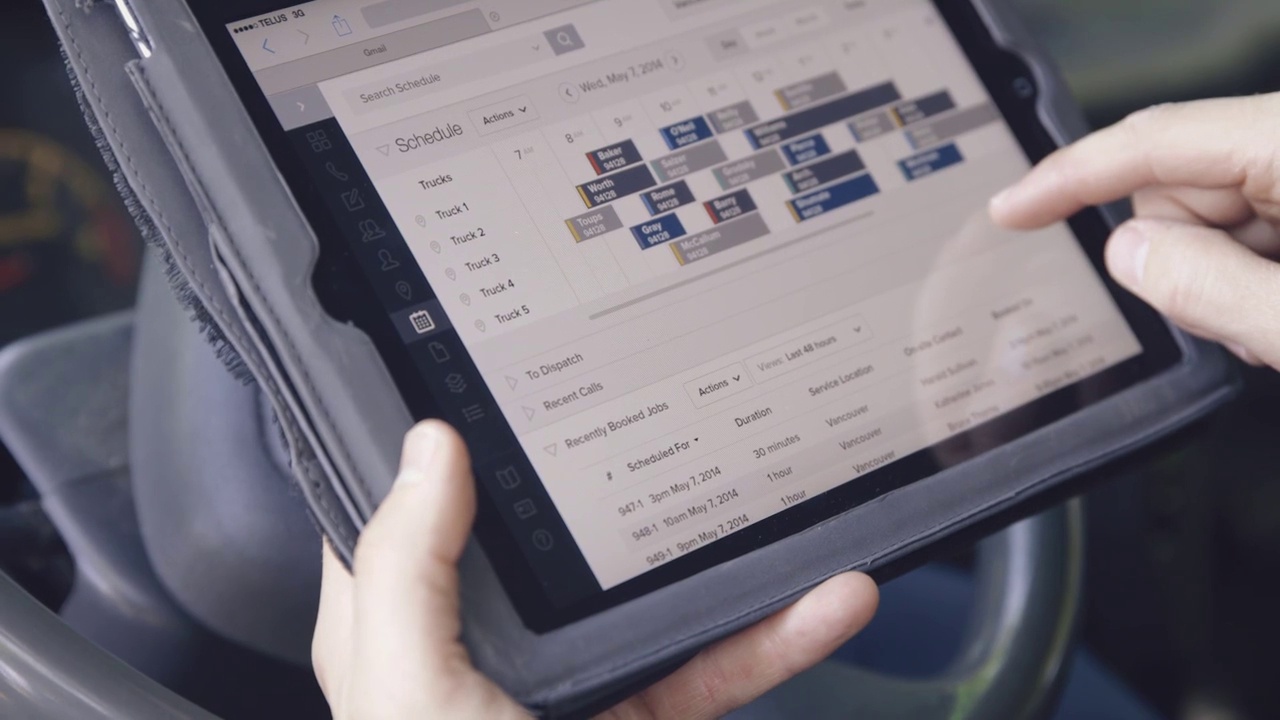
Centralized franchise field service software helps franchise brands support growth by providing:
Vonigo’s franchise field service software gives franchisors total visibility across their network, enabling every franchisee the freedom to run their business efficiently.
By giving franchisees the tools they need to operate efficiently, franchisors can ensure every location delivers a consistent customer experience. Book a demo to learn how Vonigo helps service franchises scale their operations.
FAQs About Franchise Marketing in 2026
1. How is franchise marketing changing in 2026?
Franchise marketing in 2026 is becoming more data-driven, localized, and technology-enabled. Brands are focusing on hyper-local digital visibility, consistent brand messaging across locations, and integrated marketing systems that connect customer acquisition directly with operations like scheduling, dispatch, and customer service.
2. Why is local SEO still important for franchise brands?
Local search remains one of the primary ways customers discover service businesses. Franchise locations that maintain optimized business listings, localized website pages, and strong customer reviews are more likely to appear in “near me” searches and map results—driving consistent lead flow within each territory.
3. How should franchises optimize for AI-powered search?
AI-driven search tools increasingly prioritize accurate business data, strong customer signals, and authoritative content. Franchises should focus on maintaining consistent business listings, publishing helpful local content, collecting verified reviews, and ensuring their websites clearly communicate services, locations, and availability.
4. What role does brand consistency play in franchise marketing?
Brand consistency helps build trust and recognition across locations. Consistent logos, messaging, service standards, and customer experiences reinforce the credibility of the overall brand while helping individual franchise locations benefit from national or regional brand awareness.
5. How can franchisors support local marketing for franchisees?
Successful franchise systems provide centralized marketing resources such as brand guidelines, advertising campaigns, marketing templates, and SEO strategies. This ensures consistent messaging while giving franchisees the flexibility to promote their services locally.
6. What are the most effective digital channels for franchise growth?
High-performing franchise brands typically combine several channels, including local SEO, paid search advertising, social media marketing, email campaigns, and online reviews. The most effective strategies focus on capturing demand when customers are actively searching for services.
7. Why is reputation management critical for franchise brands?
Online reviews heavily influence customer decisions and local search rankings. Franchises that actively request reviews, respond to feedback, and resolve customer concerns demonstrate credibility and transparency—both of which improve trust and conversion rates.
8. How does technology support franchise marketing success?
Modern franchise software platforms help connect marketing efforts to operational outcomes. When systems integrate booking, dispatch, invoicing, and reporting, brands can better track lead sources, measure marketing ROI, and ensure each new customer receives a consistent service experience.
9. What Is the biggest marketing mistake franchises make when scaling?
One of the most common mistakes is expanding locations faster than operational systems can support. Without the right processes and technology in place, rapid growth can lead to inconsistent customer experiences, poor communication between locations, and reduced marketing effectiveness.
10. What should franchise brands prioritize to grow in 2026?
Franchise brands should focus on three core areas: strong local visibility, consistent customer experience across locations, and integrated systems that connect marketing with operations. Together, these elements create the foundation for sustainable and scalable growth.
Without Vonigo, we wouldn’t be a modern company. You need cloud-based, real-time functionality—and now we have a system we can access wherever we’re working.
Unlock your business potential
Discover how Vonigo can streamline your operations and boost customer satisfaction today.